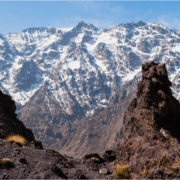
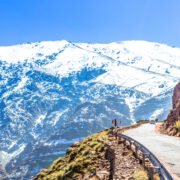
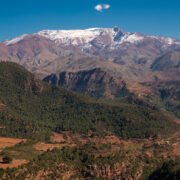
Standing as the crown of North Africa, Mount Toubkal in Morocco offers a trekking experience that is as rewarding as it is challenging. This majestic peak, soaring 4,167 meters (13,671 feet) into the sky, beckons adventurers from across the globe.
Yet, the key to a successful and enjoyable climb lies not just in your fitness or gear, but in your timing. Choosing the right season to undertake your Toubkal trek is the single most important decision you will make. This choice affects every part of your journey, from the weather you will face to the people you will meet on the route.
Morocco’s Highest Peak: An Irresistible Challenge
Jebel Toubkal is more than just a mountain; it’s an accessible yet formidable introduction to high-altitude trekking. Located in the heart of the High Atlas Mountains, its summit provides breathtaking panoramic views that can stretch to the Sahara Desert on a clear day. The climb is a non-technical hike for much of the year, but its altitude and rapidly changing weather conditions demand respect, careful planning, and strong mental abilities. This combination of accessibility and genuine challenge makes the Toubkal trek an unforgettable trip.
Why Season Matters: Your Key to an Unforgettable Trek
The character of Mount Toubkal transforms dramatically with the seasons. A summer hike on dusty scree paths under a brilliant sun is a world away from a spring ascent over lingering snowfields or an autumn trek amidst crisp, clear air. The season dictates the technical difficulty of the climb, the equipment you’ll need, the number of people on the trail, and the very essence of the landscape. Your choice will determine whether your experience is one of vibrant, blooming valleys or stark, golden-hued ridges, directly shaping the physical and mental demands of the adventure.
What You’ll Discover in This Guide
This guide provides a comprehensive season-by-season breakdown to help you determine the optimal time for your Toubkal adventure. We will delve into the specific weather patterns, trail conditions, unique challenges, and essential equipment for each period. By understanding how Toubkal is different in spring, summer, and autumn, you can plan your trip to match your trekking style. You can also match it to your experience level and the kind of adventure you want, ensuring you are fully prepared for the journey ahead.
Mount Toubkal at a Glance: The Essential Facts
Before diving into the seasonal specifics, it’s crucial to understand the fundamental elements of the Toubkal trek. These core facts remain constant regardless of the time of year and form the foundation of any well-planned trip.
Jebel Toubkal: North Africa’s Crown
Jebel Toubkal, its local name, is the highest peak in the High Atlas Mountains, Morocco, and all of North Africa. Its proximity to Marrakech makes it a popular destination, but its high altitude makes the climb a serious challenge that should not be underestimated. The summit experience is the ultimate goal: a 360-degree vista over the jagged Atlas range that rewards every ounce of effort.
The Gateway to the High Atlas: Imlil Village 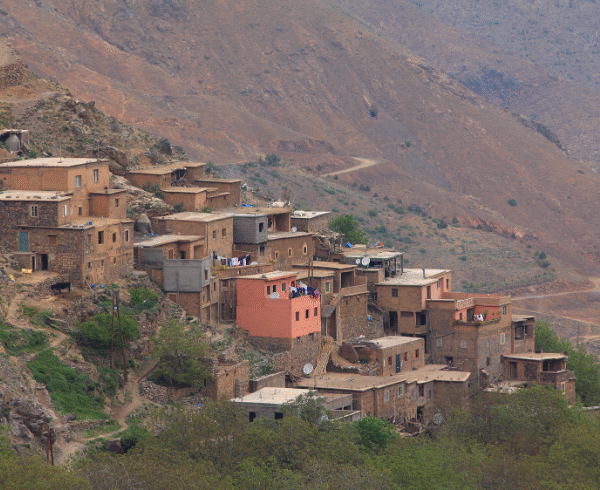
Nearly every Toubkal trek begins in Imlil. This bustling Berber village, situated at approximately 1,800 meters (5,900 feet), is the primary trailhead. It’s where you’ll meet your guides, hire mules for luggage transport, and spend your first or last night. The journey from Marrakech to Imlil itself is a scenic drive of about 90 minutes, transitioning from urban energy to mountain tranquility and serving as the first step in your acclimatization process.
Trek Difficulty and Duration: A Significant Challenge
While considered a non-technical climb outside of winter, the trek is physically demanding and requires a solid level of fitness and endurance. A standard trip involves two days of rigorous hiking. Day one is typically a 5-7 hour hike from Imlil to one of the mountain refuges at around 3,200 meters. Day two is the main event: a very early start for the 3-4 hour ascent to the summit, followed by a long descent of 6-8 hours all the way back to Imlil. The sustained effort, combined with the altitude, tests both physical stamina and mental resolve.
The Mandatory Guide and Refuge System
Since 2018, it has been mandatory for all trekkers to hire a certified local guide to climb Mount Toubkal. This regulation enhances safety and supports the local economy. Your guide is an invaluable asset, providing expertise on the route, weather assessment, and cultural insights. The standard route involves an overnight stay at one of two main refuges—Les Mouflons or the Neltner Hut, both operated in the style of a French alpine club refuge, or Cabine Alpine Francais. These huts provide basic dormitory-style lodging, hearty meals, and a crucial base for the summit push.
Altitude Sickness: A Constant Consideration
At 4,167 meters, the summit of Toubkal is well within the zone for Acute Mountain Sickness (AMS), more commonly known as altitude sickness. Symptoms can range from mild headaches and nausea to more severe conditions that can halt a trek. Getting used to the altitude properly is very important. While the standard
two-day trek is possible for fit people, many people choose a three-day trip instead. This allows for a slower climb and an extra night to get used to the altitude. This choice greatly increases the chances of a successful and more enjoyable summit, reducing the risk of debilitating symptoms.
Understanding Toubkal’s Climate: A Brief Seasonal Overview
The weather on Mount Toubkal is a dominant force, capable of shifting from benign to severe with little warning. Its high-altitude mountain climate is distinct from the heat of Marrakech, and understanding its general patterns is essential for planning your trek.
How Weather Patterns Shape the Trek
Weather dictates everything on the mountain. Temperature determines your clothing layers, precipitation affects trail conditions (mud, snow, or ice), and wind can make a manageable day feel perilous. The length of the day also varies significantly by season, impacting your available hiking hours. A successful climb depends on adapting to the prevailing weather, which is why choosing a season that suits your comfort and skill level is so critical.
Snapshot: Toubkal Through the Year
To help with choosing the best season to trek Mount Toubkal, here is a quick overview:
- Spring (March-May): A season of transition. Snow melts, rivers swell, and wildflowers bloom. Weather is unpredictable, with a mix of sunny days and potential for late-season snowstorms.
- Summer (June-August): The warmest and driest period. Long days and minimal snow make it the most popular time to climb. The primary challenges are intense sun and heat at lower altitudes.
- Autumn (September-November): Often considered the best trekking season. Weather is stable, clear, and cool. The landscape turns to shades of gold, and the trails are less crowded than in summer.
- Winter (December-February): A full-blown mountaineering experience. The mountain is covered in snow and ice, requiring technical gear and skills. Conditions are cold, and days are short.
Spring (March – May): The Awakening Landscape
Spring on Mount Toubkal is a time of dramatic transformation. This season has many contrasts; it offers stunning beauty, but it also has unpredictable weather. The mountain shakes off its winter coat, revealing a landscape bursting with life.
Weather & Conditions: Thaw, Blooms, and Unpredictability
During spring, temperatures rise steadily, but the weather remains highly variable. March can still feel very much like winter at higher altitudes, with significant snow cover. By May, the snowline has receded dramatically, and daytime temperatures are pleasant. However, this is a volatile period; clear, sunny mornings can give way to cold, windy afternoons with rain or even snow showers, especially higher up the peak.
The Spring Trekking Experience: Vibrant Fields and Flowing Streams
The trek in spring is visually spectacular. The lower valleys around Imlil are lush and green, dotted with blossoming fruit trees. As you ascend, you’ll cross streams swollen with meltwater. The contrast between the vibrant green of the valleys and the white snow still clinging to the highest peaks creates magnificent photo opportunities. There are fewer people than in summer, offering a more serene experience on the trail.
Unique Challenges: Variable Snow, Muddy Paths, and Potential Winds
The primary challenge in spring is the variable snow cover. Early in the season, the route above the refuge will likely be snow-covered, requiring careful navigation and strong mental focus. As the thaw progresses, lower paths can become muddy and
slippery. Strong winds can also be a factor, particularly at higher elevations, adding a significant wind chill factor even on a sunny day.
Essential Spring Equipment: Layers, Waterproofs, and Microspikes
Layering is paramount for a spring trek. You’ll need a moisture-wicking base layer, an insulating mid-layer (like a fleece), and a fully waterproof and windproof outer shell. Waterproof hiking boots are non-negotiable. Early in the season (March/April), your guide will likely advise carrying microspikes or crampons for icy sections, along with trekking poles for stability.
Who is Spring Toubkal For?
Spring is ideal for trekkers who appreciate dramatic scenery, fewer crowds, and are prepared for mixed weather conditions. If you like a mountain that changes a lot and don’t mind hiking in sun and snow on the same day, this season gives a very rewarding experience. It suits those with a flexible mindset and an adventurous spirit.
Summer (June – August): Peak Season and Clear Summits
Summer is the most popular and straightforward season to climb Mount Toubkal. The stable weather and snow-free main route open the mountain to a wider range of hikers, creating a vibrant and social atmosphere.
Weather & Conditions: Long Days, Warm Temperatures, and Minimal Snow
The summer months bring the warmest and most stable weather of the year. The route to the summit is typically completely clear of snow, revealing a rocky, scree-filled path. Days are long and sunny, with temperatures in Imlil often exceeding 30°C (86°F). Even at the summit, daytime temperatures can be mild, though the pre-dawn start for the final climb will still be cold. The risk of storms is low, but afternoon thunderstorms can occasionally develop.
The Summer Trekking Experience: Crowds, Clear Views, and Early Starts
The reliable weather attracts many people, making this the busiest time on the mountain. The refuges are often full, and the route can feel crowded. The main reward of a summer trek is the high probability of clear, panoramic views from the summit. The experience is defined by very early starts—often leaving the refuge around 4 AM—to avoid the intense midday sun on the ascent and to summit in the calmest morning hours.
Unique Challenges: Heat, Dust, Scree, and Busy Refuges
The primary challenge is the heat, especially on the first day’s hike to the refuge. Proper hydration and sun protection are critical. The trail itself can be dusty, and the final ascent involves navigating steep, loose scree slopes, which can be tiring on the legs. Securing a bed in the refuge requires booking well in advance due to high demand.
Essential Summer Equipment: Sun Protection, Hydration, and Light Gear
Your gear list for summer should prioritize sun protection: a wide-brimmed hat, high-SPF sunscreen, and sunglasses are essential. Lightweight, breathable clothing will keep you comfortable. A hydration system (like a bladder) is recommended to ensure you drink enough water. While you’ll need warm layers for the early morning summit push, the bulk of your gear can be lighter than in other seasons.
Who is Summer Toubkal For?
Summer is the perfect season for first-time high-altitude trekkers or those who prioritize stable weather and clear summit views over solitude. If you have a good fitness level and are prepared for the heat, summer offers the most reliable window for a successful Toubkal climb.
Autumn (September – November): The Golden Window
Many experienced trekkers consider autumn the absolute best time to climb Mount Toubkal. It combines the stable weather of summer with the tranquility and crisp beauty of the shoulder season, creating a near-perfect trekking environment.
Weather & Conditions: Crisp Air, Stable Skies, and Cooler Degrees
September and October have clear blue skies, while the daytime temperatures are comfortable for hiking and the air is cooler and crisp. The intense heat of summer has subsided, making the ascent from Imlil much more pleasant. The weather is generally very stable, with a low probability of precipitation. As you move into November, the days become noticeably shorter and colder, and the first significant snowfall on the peak is possible.
The Autumn Trekking Experience: Stunning Views, Perfect Walking, and Fewer People
With the summer crowds gone, the mountain regains a sense of peacefulness. The quality of the light is spectacular, casting the rugged landscape in warm, golden hues. The air is often exceptionally clear, providing some of the best and furthest-reaching views from the summit. The conditions underfoot are typically dry and firm, making for excellent walking. It’s a photographer’s dream season.
Unique Challenges: Shorter Days Later in the Season, First Snow Possibility
The main challenge in late autumn (late October/November) is the decreasing number of daylight hours, which necessitates efficient time management on the trail. There’s also an increasing chance of an early-season snowstorm, which could alter route conditions unexpectedly. Temperatures at night and before dawn will be significantly colder than in summer, requiring warmer gear.
Conclusion
Choosing when to trek Mount Toubkal is a personal choice. It depends on how much adventure you want, how much weather change you can handle, and whether you prefer being alone or with others. Spring offers a vibrant, unpredictable journey through an awakening landscape, ideal for those who embrace change. Summer provides the most reliable and accessible path to the summit, perfect for first-timers and sun-seekers. Autumn presents a “golden window” of stable weather, crisp air, and stunning clarity, favored by many for its perfect balance of pleasant conditions and fewer people.
Each season unveils a different facet of Toubkal’s majestic character, demanding a unique blend of physical fitness and mental abilities. If you match the mountain’s seasonal changes with your trekking goals, your trip to Morocco’s highest peak will be more than a climb; it will be an unforgettable experience made just for you.