Mount Toubkal Altitude: Your Essential Guide to Acclimatization & Avoiding Sickness
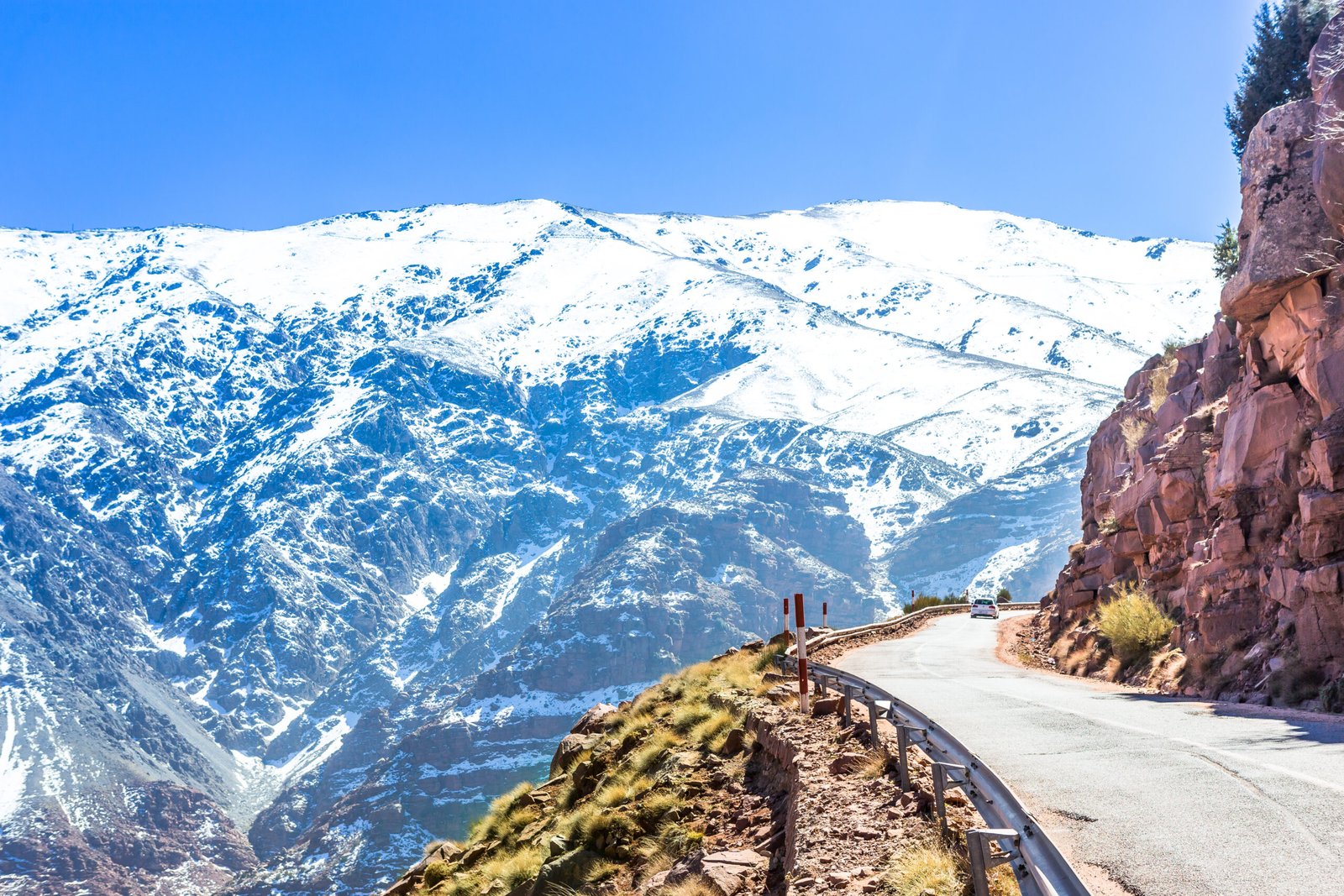
Introduction: Conquering North Africa’s Highest Peak Safely
Mount Toubkal, standing sentinel over the High Atlas Mountains, beckons trekkers with its rugged beauty and the promise of panoramic summit views. As North Africa’s highest peak, it presents a formidable yet achievable challenge. However, the greatest obstacle isn’t the steepness of the trail or the distance of the trek; it’s the invisible force of altitude. A successful and enjoyable climb to Toubkal’s summit hinges on understanding and respecting the effects of elevation on the human body. This guide is crafted to demystify the science of high altitude, provide a practical blueprint for acclimatization, and equip you with the knowledge to recognize and prevent altitude sickness, ensuring your adventure is memorable for all the right reasons.
Welcome to the Roof of North Africa: Mount Toubkal
At 4,167 meters (13,671 feet), Mount Toubkal is a non-technical but physically demanding trek that attracts adventurers from around the globe. Its accessibility from Marrakech makes it a popular choice for those seeking a genuine high-altitude experience without the extreme commitments required for peaks like Kilimanjaro. The journey takes you through traditional Berber villages, dramatic valleys, and stark, beautiful mountain landscapes.
The Invisible Challenge: Understanding Altitude on Your Toubkal Trip
As you ascend, the air becomes thinner. This doesn’t mean there’s less oxygen in the air—the percentage remains around 21%—but that the air pressure decreases. With less pressure, each breath you take contains fewer oxygen molecules. Your body must work harder to supply itself with the oxygen it needs to function, a strain that can lead to a range of physiological responses collectively known as mountain sickness.
Why This Guide is Essential for Your High Atlas Adventure
While severe altitude sickness on Toubkal is less common than on higher mountains, mild to moderate forms are a genuine risk that can derail a trip. This guide moves beyond generic advice, offering a Toubkal-specific strategy. By understanding how to acclimatize properly, recognize early symptoms, and manage your ascent, you empower yourself to conquer the mountain safely and confidently. This knowledge is your most essential piece of gear.
Understanding Mount Toubkal’s Altitude Challenge: The Science Behind the Ascent
Successfully summiting Mount Toubkal requires more than just physical fitness; it demands a fundamental understanding of how your body interacts with high-altitude environments. The science is straightforward: as elevation increases, available oxygen decreases, forcing your body into a state of adaptation.
Mount Toubkal’s Elevation Profile: From Imlil to the Summit
The typical Toubkal climb begins in the village of Imlil, situated at a modest 1,800 meters (5,900 feet). From here, the trail ascends to the Toubkal Refuge at approximately 3,207 meters (10,522 feet), where most trekkers spend the night. The final push to the summit at 4,167 meters (13,671 feet) represents a significant and rapid gain in elevation. This journey crosses into the “High Altitude” zone (2,500m – 3,500m) and then into the “Very High Altitude” zone (3,500m – 5,500m), where the risk of altitude sickness becomes pronounced.
The Basics of High Altitude: How Your Body Responds to Low Oxygen Environments
When faced with lower oxygen intake (a condition called hypoxia), your body initiates a series of remarkable adaptations. This process is called acclimatization. Initially, your breathing rate and heart rate increase to circulate more oxygenated blood. Over several days, your body begins producing more red blood cells to enhance its oxygen-carrying capacity. This physiological shift is crucial, but it takes time. Ascending too quickly overwhelms this natural process, leading to mountain sickness.
What is Altitude Sickness? Demystifying Acute Mountain Sickness (AMS)
Acute Mountain Sickness (AMS) is the most common form of altitude-related illness. It feels similar to a bad hangover and is the body’s way of signaling that it hasn’t yet adapted to the lower oxygen levels. The symptoms of AMS typically appear within 6 to 24 hours of arriving at a new, higher elevation. It’s a clear warning to slow down, hydrate, and allow your body to catch up.
The Dangers of Severe Altitude Sickness: HAPE and HACE
If the warning signs of AMS are ignored and a trekker continues to ascend, more severe and life-threatening conditions can develop.
- High-Altitude Pulmonary Edema (HAPE): This occurs when fluid leaks from blood vessels into the lungs, impairing breathing. It is a medical emergency requiring immediate descent.
- High-Altitude Cerebral Edema (HACE): This is a severe progression of AMS where fluid leaks into the brain, causing swelling. It leads to confusion, loss of coordination, and can be fatal if not treated with immediate descent and medical attention.
While rare on Toubkal, understanding HAPE and HACE is critical for recognizing the absolute red lines that must not be crossed.
Your Body’s Toubkal Response: Recognizing Altitude Sickness Symptoms
Your most important tool on the mountain is self-awareness. Knowing how to identify the symptoms of altitude sickness in yourself and your fellow trekkers is a non-negotiable safety skill.
Identifying Acute Mountain Sickness (AMS) on the Trail
AMS typically presents with a headache as the primary indicator, accompanied by one or more of the following symptoms:
- Nausea or vomiting
- Fatigue and weakness disproportionate to your exertion
- Dizziness or lightheadedness
- Loss of appetite
- Difficulty sleeping
These symptoms can range from mild to severe. A slight headache might be manageable, but persistent nausea or debilitating fatigue are clear signs to stop and reassess.
Warning Signs of High-Altitude Pulmonary Edema (HAPE)
HAPE is a serious escalation and its symptoms are distinct from AMS. They involve the respiratory system and include:
- Extreme shortness of breath, even at rest
- A persistent, dry cough that may eventually produce a frothy, pink sputum
- A feeling of tightness or congestion in the chest
- Gurgling sounds when breathing
- Extreme fatigue and an inability to perform simple tasks
- Blueish or grayish lips or fingernails (cyanosis)
Recognizing High-Altitude Cerebral Edema (HACE)
HACE is the most severe form of altitude sickness and affects the brain. Its hallmark sign is ataxia—the loss of coordination. A simple test is to ask the person to walk a straight line, heel-to-toe. If they stumble or cannot do it, HACE is likely. Other symptoms include:
- Severe headache unresponsive to painkillers
- Confusion, disorientation, or irritability
- Drowsiness progressing to lethargy and coma
- Vomiting
- Hallucinations
When to Descend: Listening to Your Body and Recognizing Red Flags
The golden rule of high-altitude trekking is simple: if you feel unwell, assume it’s altitude sickness until proven otherwise. Do not ascend further with moderate AMS symptoms. If your symptoms worsen at your current elevation or if you show any signs of HAPE or HACE, you must descend immediately. A descent of just 300-500 meters can bring significant relief. Inform your guide of any symptoms, no matter how minor they seem.
The Toubkal Acclimatization Blueprint: Practical Strategies for Success
Acclimatization is not optional; it is the fundamental principle of a safe and successful high-altitude climb. It’s a deliberate process of allowing your body the time it needs to adapt to decreasing oxygen levels.
Gradual Ascent: The Golden Rule for Mount Toubkal Trekking Routes
The most effective way to prevent altitude sickness is to ascend slowly. This gives your body the necessary time to produce more red blood cells and adjust its chemistry. Rushing the climb is the single biggest mistake trekkers make on their Toubkal trip. An itinerary that includes a slow, steady gain in elevation is far superior to one that races to the refuge.
Toubkal-Specific Acclimatization Schedules: Optimal Itineraries
While a two-day dash is possible, a three or four-day itinerary is far safer and more enjoyable. A well-paced schedule looks like this:
- Day 1: Marrakech to Imlil (1,800m). Spend the afternoon and night in Imlil. This gentle start allows your body an initial adjustment period.
- Day 2: Imlil to Toubkal Refuge (3,207m). This is a significant jump in elevation. The key is a slow, methodical pace on the trail.
- Day 3: Acclimatization Day (Optional but Recommended). Stay at the refuge and take a short trek to a higher point, like the Tizi n’Ouanoums pass (approx. 3,600m), before returning to the refuge to sleep. This follows the “climb high, sleep low” principle.
- Day 4: Summit Day (4,167m) and Descent to Imlil. The summit push is demanding, but your body is better prepared after proper acclimatization.
Mastering “Climb High, Sleep Low” on Mount Toubkal
This classic high-altitude maxim is highly effective. The principle involves climbing to a new higher elevation during the day to expose your body to thinner air, then descending to a lower altitude for the night. This stimulates acclimatization while allowing you to recover in a more oxygen-rich environment. An acclimatization day-hike from the Toubkal Refuge is a perfect application of this strategy.
On-Trail Acclimatization Techniques: Optimizing Your Walking Pace
Your walking pace should be slow and rhythmic—often described as the “mountaineer’s shuffle.” You should be able to hold a conversation without gasping for breath. If you find yourself breathing heavily, you are moving too fast. Listen to your guide; their deliberate pace is set for acclimatization, not speed. Take regular short breaks for water and snacks, but avoid long stops where you get cold.
Fueling Your Ascent: Hydration & Nutrition at High Altitude
Proper fueling and hydration are critical components of your acclimatization strategy. Your body is working overtime at high altitude, and its demands for water and energy increase significantly.
The Critical Role of Hydration: Avoiding Dehydration on Toubkal
At high altitude, you lose water more rapidly through respiration (breathing harder in dry air) and perspiration. Dehydration thickens your blood, making it harder for your heart to pump, and its symptoms—headache, fatigue, nausea—can mimic and exacerbate AMS. Aim to drink 3-4 liters of water per day. Monitor your urine; it should be plentiful and pale yellow.
High-Altitude Nutrition: What to Eat for Energy and Recovery
Your body’s preferred energy source at altitude is carbohydrates. Focus on a diet rich in pasta, rice, bread, and potatoes. These are easier to digest than fats and proteins and provide readily available fuel. Avoid heavy, fatty meals that can sit in your stomach. While your appetite may decrease, it’s crucial to keep eating small, frequent meals to maintain your energy levels for the demanding climb.
Medication & Natural Aids for Toubkal Acclimatization
While proper acclimatization is the best defense, certain medications can help prevent or manage altitude sickness symptoms. Always consult your doctor before taking any medication for your trip.
Diamox (Acetazolamide): Your Prescription for Prevention
Diamox is a prescription medication that helps speed up the acclimatization process. It works by making the blood more acidic, which stimulates breathing and increases oxygen intake. It is a prophylactic, meaning it should be started 24-48 hours before you begin your ascent. It is not a cure for existing altitude sickness and does not eliminate the need for gradual ascent.
Other Medications: Ibuprofen for Symptom Management
Simple analgesics like ibuprofen can be effective in managing the mild headache often associated with the initial stages of AMS. However, it’s crucial to remember that this only treats a symptom, not the underlying cause. If a headache persists or worsens despite medication, it’s a clear sign that you are not acclimatized and should not ascend further.
Natural Remedies and Supplements: What Works, What Doesn’t
Many natural remedies like ginkgo biloba are marketed for altitude sickness, but scientific evidence supporting their effectiveness is weak or inconclusive. Your focus should remain on the proven methods: gradual ascent, proper hydration, and a carbohydrate-rich diet. Relying on unproven supplements can provide a false sense of security.
Pre-Trek Preparation: Setting Yourself Up for Success
Your journey to the summit of Toubkal begins long before you set foot on the trail. Proper physical conditioning and having the right gear are foundational to a safe and successful trek.
Physical Conditioning: Building Stamina and VO2 Max
While you don’t need to be an elite athlete, a strong level of cardiovascular fitness is essential. Engage in regular aerobic exercise like running, cycling, or hiking for several weeks before your trip. Focus on activities that build endurance and strengthen your legs. Training on hills or stairs is particularly beneficial as it simulates the demands of trekking. A higher VO2 max (your body’s ability to utilize oxygen) provides a solid foundation for performing well at high altitude.
Gear Essentials for High Altitude: Protecting Against the Elements
The weather on Mount Toubkal can change rapidly. Being prepared for cold, wind, and sun is critical. Essential high-altitude gear includes:
- Layering System: A moisture-wicking base layer, an insulating mid-layer (fleece or down), and a waterproof/windproof outer shell.
- Headwear: A warm hat, a sun hat, and a buff or balaclava for face protection.
- Gloves: Insulated, waterproof gloves are a must for summit day.
- Footwear: Broken-in, waterproof hiking boots with good ankle support.
- Sun Protection: High-SPF sunscreen, lip balm, and UV-protection sunglasses.
Conclusion
Reaching the summit of Mount Toubkal is an exhilarating achievement, a testament to both physical effort and smart preparation. Your success on this magnificent mountain is not merely about pushing through; it’s about working with your body and respecting the profound effects of altitude. The key takeaways from this guide are simple but powerful: prioritize a gradual ascent, hydrate relentlessly, listen to your body’s signals, and understand the symptoms of altitude sickness.
By embracing a thoughtful acclimatization strategy, you transform the challenge of low oxygen from a potential obstacle into a manageable part of the adventure. You equip yourself not just to reach the summit, but to enjoy every step of the journey through the stunning High Atlas. Prepare well, ascend wisely, and the roof of North Africa will reward you with an unforgettable experience.
Recent Posts
When to Trek Toubkal: Your Season-by-Season Guide to Moroccos Highest Peak
Mount Toubkal Altitude: Your Essential Guide to Acclimatization & Avoiding Sickness