Mount Toubkal Trek: 2-Day vs 3-Day Itinerary – Which Journey Suits Your Summit Dream?
Introduction: Conquering North Africa’s Highest Peak
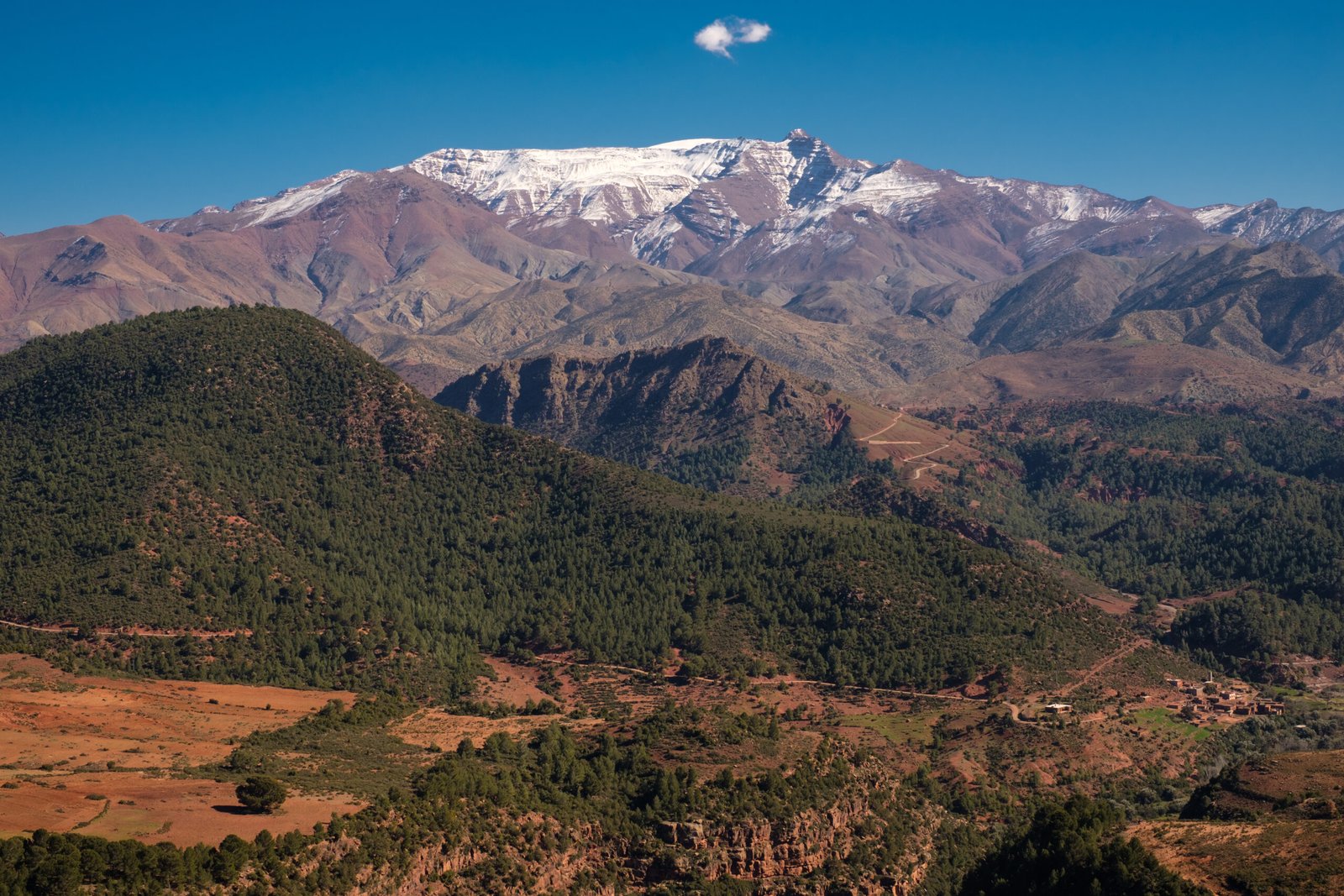
Rising from the heart of Morocco’s High Atlas Mountains, Mount Toubkal stands as a formidable yet accessible challenge. At 4,167 meters (13,671 feet), its summit is the highest point in North Africa, a peak that calls to adventurers with promises of breathtaking panoramas and a profound sense of achievement. For many, the journey begins not in the mountains, but with a crucial decision: Should you take on the rapid 2-day ascent or embrace the more measured pace of a 3-day trek? This choice shapes everything—from your physical demand and acclimatization to the cultural depth of your experience. This guide is designed to dissect both itineraries, helping you align your personal goals, fitness, and available time with the right path to the top.
The Call of Jebel Toubkal: Why This Trek Captivates Adventurers
The allure of Jebel Toubkal, as it’s known locally, is multifaceted. It’s a non-technical climb, meaning no special mountaineering skills are required, making a high-altitude summit attainable for any reasonably fit hiker. The trek offers a dramatic escape from the vibrant chaos of Marrakech, transporting you into a world of rugged peaks, deep valleys, and the timeless culture of the Berber people. The reward for the strenuous walking is an unparalleled 360-degree view from the summit, stretching across the Atlas range and, on clear days, towards the Sahara Desert.
The Core Decision: 2-Day vs. 3-Day – Pacing Your Summit Dream
Choosing between a 2-day and a 3-day trip is the fundamental question for any prospective Toubkal trekker. The 2-day itinerary is a whirlwind—a direct, demanding push to the summit and back, ideal for those with limited time and high fitness. The 3-day journey, in contrast, builds in an extra day for acclimatization and cultural immersion. It transforms the climb from a pure physical challenge into a more holistic Moroccan adventure, allowing you to connect with the landscape and its people. Your decision will define the very nature of your Mount Toubkal story.
Mount Toubkal: An Overview of Your Moroccan Trekking Adventure
Before diving into specific itineraries, understanding the context of your trek is essential. This is more than just a hike; it’s an entry into a unique geographical and cultural landscape.
Geographical Context: The High Atlas Mountains and Toubkal National Park
Mount Toubkal is the crown jewel of Toubkal National Park, an area of stunning natural beauty established in 1942. The High Atlas Mountains, a sub-range of the larger Atlas system, create a dramatic spine across Morocco. The landscape here is arid, rocky, and severe, characterized by deep, irrigated valleys that stand in lush contrast to the barren slopes above. This environment presents a formidable challenge, with altitude and weather being key factors in any successful summit attempt.
The Gateway Village: Starting Your Journey from Imlil
Nearly every Toubkal trek begins in Imlil. Located about 90 minutes’ drive from Marrakech, this bustling Berber village serves as the primary base camp for hikers. At an altitude of 1,800 meters (5,900 feet), it’s the perfect place to meet your guide, organize mules for your gear, and take your first steps into the mountain air. The journey from Imlil sets the tone for the entire trip, winding through walnut groves and past smaller hamlets as you begin the gradual ascent.
The Essential Role of Berber Guides and Local Hospitality
The people of the Atlas Mountains are the Amazigh, or Berbers, an indigenous group with a rich history and a deep connection to the land. Your Berber guides are more than just navigators; they are your cultural bridge, your safety net, and your source of local knowledge. Their expertise on the mountain is indispensable, particularly during a challenging summit push or in adverse weather. The hospitality you’ll experience, from a cup of mint tea in a village guesthouse to a hearty tagine at the mountain refuge, is a core part of the Toubkal experience.
The 2-Day Toubkal Trek: The Fast-Paced Ascent for the Determined
This itinerary is an exercise in efficiency and endurance, designed to get you to the summit and back with minimal time commitment. It’s a popular choice, but it demands respect and preparation.
Day 1: The Rapid Ascent to the Toubkal Refuge
Your trip begins with an early departure from Marrakech to Imlil. After meeting your team, the hike starts immediately. The first day involves approximately 5-6 hours of sustained uphill walking. The path follows the Mizane Valley, passing the shrine of Sidi Chamharouch before a final steep push to the Toubkal Refuge (or Les Mouflons Refuge nearby) at 3,207 meters. You’ll cover significant ground and altitude quickly, arriving in the late afternoon for dinner and a short night of rest.
Day 2: Summit Push and Swift Descent
This is the ultimate test. Your day starts well before dawn, typically around 4 AM. The climb to the summit takes 3-4 hours, navigating steep scree slopes in the dark with headtorches. Reaching the summit of Mount Toubkal for sunrise is the spectacular reward. After soaking in the views, there’s little time to linger. The descent back to the refuge takes about 2 hours, where you’ll have a quick meal before continuing the 3-4 hour hike all the way back down to Imlil, completing a marathon day of around 10 hours of walking.
Pros of the 2-Day Itinerary: Speed, High Adrenaline, Efficiency
The primary advantage is time. For those on a tight schedule in Morocco, this option makes a major mountain summit achievable over a weekend. The pace is relentless, offering a high-adrenaline physical challenge that many experienced hikers seek. It is a direct and focused pursuit of a single goal: the summit.
Cons of the 2-Day Itinerary: Acclimatization Risk, Hectic Pace, Limited Cultural Depth
The biggest drawback is the increased risk of altitude sickness. Ascending over 1,400 meters in a single day allows very little time for your body to acclimatize. The pace can feel rushed, turning the experience into a purely physical slog rather than an enjoyable journey. There is almost no time for meaningful cultural interaction beyond brief exchanges with your guide.
Who is the 2-Day Trek For? (The Time-Pressed Achiever, The Experience-Seeker with High Fitness)
This trek is best suited for trekkers with proven experience at high altitudes and excellent cardiovascular fitness. If you are short on time and confident in your body’s ability to handle rapid ascent, and your primary goal is to bag the peak, the 2-day climb is a viable, if demanding, option.
The 3-Day Toubkal Trek: A Balanced Journey of Immersion and Achievement
Adding just one extra day fundamentally transforms the Mount Toubkal trek from a sprint into a more rewarding and sustainable journey.
Day 1: Gentle Ascent and Cultural Immersion in the Berber Valleys
Instead of pushing directly to the refuge, the first day of a 3-day trip often involves a shorter hike. After arriving in Imlil, you might take a 3-4 hour walk to a guesthouse in a nearby Berber village like Aroumd. This slower start allows your body to begin acclimatizing. The afternoon can be spent exploring the village, learning about Berber culture, and enjoying the tranquility of the Atlas Mountains before spending the night at a lower, more comfortable altitude.
Day 2: Summit Day and Retreat to the Refuge
Some 3-day itineraries follow the 2-day plan’s Day 1, using the second day for acclimatization hikes from the refuge. A more common and effective structure places the most demanding walking on the middle day. You would hike from your village guesthouse to the refuge (around 4-5 hours), have lunch, and then push for the summit in the afternoon. Another option is a pre-dawn start from the refuge as in the 2-day plan. After the summit, you descend only as far as the refuge for a well-earned dinner and a full night’s sleep.
Day 3: Leisurely Descent and Deeper Cultural Connection
With the summit achieved, the final day is a relaxed 3-4 hour descent from the refuge back to Imlil. The pace is unhurried, allowing you to fully appreciate the views you might have missed in the dark on the way up. There’s time to stop for photos, chat with your guide, and reflect on the achievement before your transfer back to Marrakech.
Pros of the 3-Day Itinerary: Better Acclimatization, Richer Cultural Experience, Enhanced Enjoyment
The most significant benefit is improved acclimatization, which greatly increases your chances of a successful and enjoyable summit. The extra time allows for genuine cultural immersion and a more relaxed pace, letting you savor the stunning scenery. This itinerary reduces the risk of exhaustion and makes the entire trip more memorable.
Cons of the 3-Day Itinerary: Longer Time Commitment, Potentially Higher Overall Cost
The obvious downside is that it requires an extra day of your time in Morocco. The additional night of accommodation and guide services can also increase the overall cost of the trip, though the difference is often marginal for the value gained.
Who is the 3-Day Trek For? (The Cultural Explorer, The Balanced Adventurer, Those Seeking a More Relaxed Pace)
This itinerary is the recommended choice for the vast majority of hikers. It is perfect for first-time high-altitude trekkers, those who want to experience Berber culture, and anyone who prioritizes enjoyment and safety over speed. It offers a balanced adventure that combines physical challenge with cultural depth.
Key Decision Factors: 2-Day vs. 3-Day – Which Journey Suits Your Summit Dream?
Use these questions as a checklist to make the best choice for your personal adventure.
Your Available Time: A Crucial First Filter
This is the most straightforward factor. If you only have two days to spare, the decision is made for you. However, if you can spare three, the benefits of the longer itinerary become a compelling option to consider.
Your Fitness Level and Trekking Experience: Are You Up for the Challenge?
Be honest with yourself. The 2-day trek is a significant physical challenge requiring a high level of fitness. If you are not a regular hiker or are unsure about your stamina, the 3-day trek provides a more manageable and forgiving pace.
Acclimatization Strategy and Altitude Sickness Concerns
Altitude sickness can affect anyone, regardless of fitness. Symptoms range from headaches to more severe complications. The 3-day itinerary’s slower ascent profile is the best strategy to mitigate this risk, giving your body the precious time it needs to adapt.
Your Desired Experience: Pure Summit Goal vs. Comprehensive Cultural Journey
What is your “summit dream”? Is it the raw achievement of conquering a peak quickly? Or is it about the entire journey—the landscapes, the people, and the personal growth along the way? The 2-day trek serves the former, while the 3-day trek beautifully fulfills the latter.
Budget Considerations: Comparing Costs for Guides, Porters, and Accommodation
While the 3-day trek is slightly more expensive due to the extra day of services, the cost difference is often less than you might think. Compare quotes for both, and weigh the added expense against the significant benefits of better acclimatization and a more enriching experience.
Season and Weather Conditions: Impact on Trek Difficulty and Enjoyment
The season impacts your choice. A winter trek, with snow and ice, is significantly more demanding. The longer days and better weather of spring and autumn make either itinerary more pleasant, but the added buffer of a 3-day trip can be invaluable if you encounter unexpected weather delays.
Essential Preparations for Any Mount Toubkal Trek (Regardless of Duration)
No matter which itinerary you choose, proper preparation is key to a safe and successful climb.
The Indispensable Local Berber Guides: Safety, Navigation, and Cultural Bridge
Hiring a certified local guide is mandatory for climbing Mount Toubkal. This regulation ensures safety and supports the local economy. Your Berber guide is your most valuable asset on the mountain, providing expert navigation, crucial safety decisions, and invaluable insights into the local culture and environment. They are the guardians of the mountain and the key to your successful trek.
Conclusion
The choice between a 2-day and 3-day Mount Toubkal trek is a choice between two different philosophies of adventure. The 2-day option is a test of pure physical will—a rapid, intense, and efficient conquest for the fit and time-poor. The 3-day journey, however, is a more holistic and arguably richer experience. It weaves the physical challenge of the summit into a broader tapestry of cultural immersion, scenic appreciation, and safer acclimatization.
For most people, the 3-day itinerary offers a superior return on investment, not in money, but in experience. It increases your chances of reaching the summit feeling strong and allows the spirit of the Atlas Mountains to truly sink in. Ultimately, the best itinerary is the one that aligns with your fitness, respects your body’s need to acclimatize, and fulfills your personal vision for conquering North Africa’s highest peak. Choose wisely, prepare well, and an unforgettable Moroccan adventure awaits.
Recent Posts
When to Trek Toubkal: Your Season-by-Season Guide to Moroccos Highest Peak
Mount Toubkal Altitude: Your Essential Guide to Acclimatization & Avoiding Sickness