Mount Toubkal for Beginners: The First-Timers Complete Summit Guide
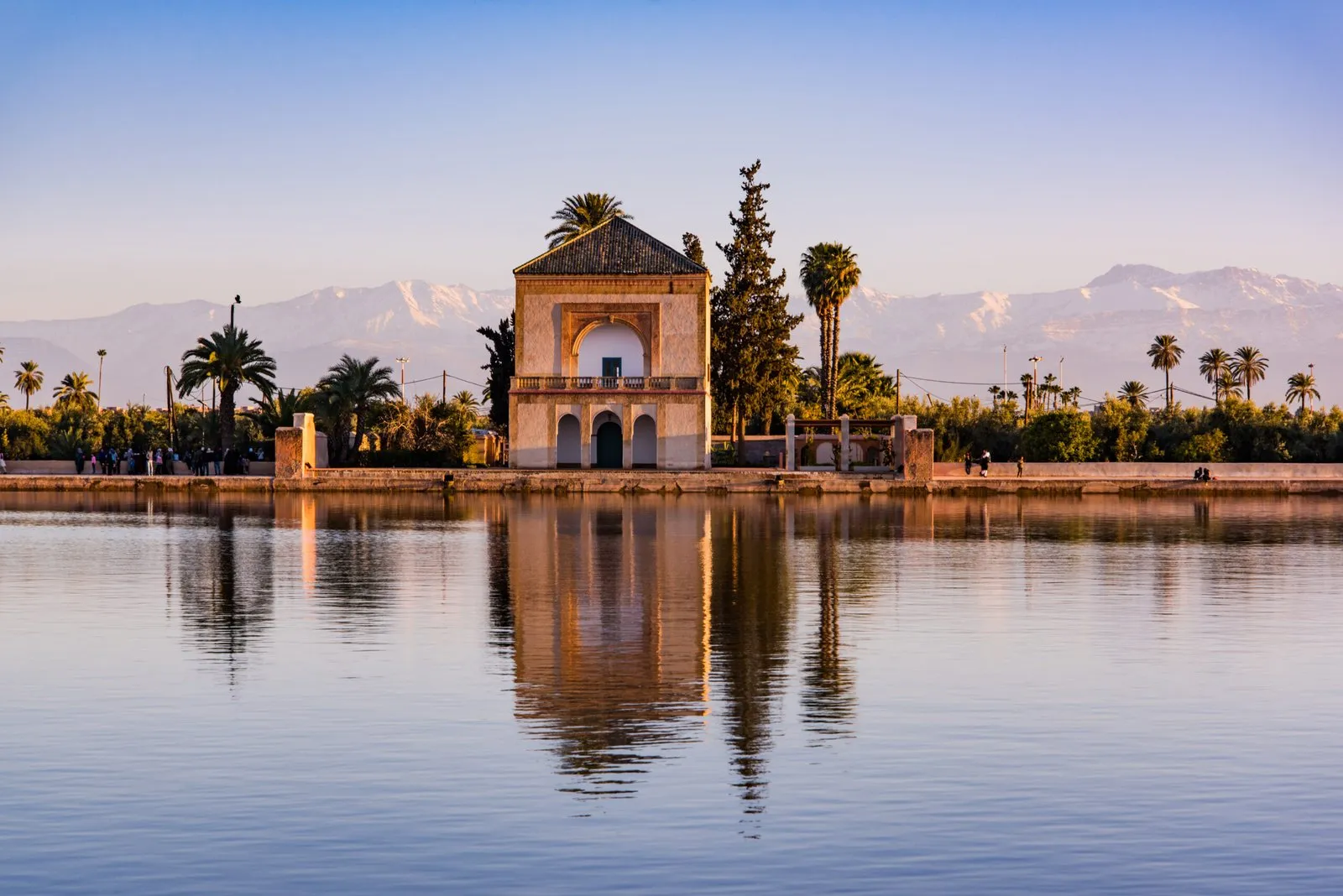
Introduction: Your First High Atlas Adventure to North Africa’s Highest Peak
Standing at 4,167 meters (13,671 feet), Mount Toubkal is the highest peak in North Africa’s Atlas Mountains. For many aspiring adventurers, the idea of a high-altitude summit can seem daunting, reserved for seasoned mountaineers. Yet, Jebel Toubkal offers a unique proposition: a genuine mountain challenge that is accessible to determined beginners. This trek in Morocco is not just a climb; it’s an immersion into the stark beauty of the High Atlas and the rich culture of the Amazigh (Berber) people who call these mountains home.
Welcome to Jebel Toubkal: An Accessible Challenge for Aspiring Trekkers
Mount Toubkal stands as a testament to the idea that profound adventure doesn’t require technical expertise. The standard route is a non-technical trek, meaning no ropes or specialized climbing skills are needed during the main trekking season. It is, however, a significant physical undertaking that demands respect for altitude and weather. This unique combination makes the trip an ideal objective for those with a good level of fitness looking to complete their first major summit.
Why Mount Toubkal is the Perfect First Summit for Beginners
The appeal of Toubkal for first-timers is multifaceted. The logistics are relatively straightforward, with the trailhead in Imlil just a 90-minute drive from the international hub of Marrakech. The two-day trekking itinerary is efficient, fitting perfectly into a longer Morocco trip. Most importantly, the journey provides a complete mountain experience: the physical exertion of the ascent, the challenge of altitude, the camaraderie of the trail, and the unparalleled reward of a sunrise view from the highest point in North Africa. It’s a summit that tests your resolve and rewards you tenfold.
What This Complete First-Timer’s Guide Will Cover
This guide is designed to take you from initial consideration to successful summit. We will cover everything a beginner needs to know, from assessing your fitness and choosing the best time to travel, to detailed packing lists and a step-by-step breakdown of the trail. Our goal is to demystify the process, answer your questions, and equip you with the knowledge to make your first high-altitude trekking trip a safe and unforgettable success.
Section 1: Is Toubkal for You? Understanding the Beginner’s Challenge
Before committing to any mountain adventure, an honest self-assessment is crucial. While Toubkal is accessible, it is not a casual walk. Understanding the true nature of the challenge is the first step toward a successful climb.
Demystifying the Difficulty: What “Moderately Challenging” Really Means
When you see “moderately challenging,” think of it as a trek that requires sustained effort over multiple days at increasing altitude. A typical day involves 5-7 hours of hiking on varied terrain. The trail from Imlil begins as a well-defined path but becomes a steep, rocky scree slope on the final push to the summit. The primary challenges are the altitude gain and the long descent. You don’t need to be an elite athlete, but you do need solid cardiovascular fitness and the endurance to walk uphill for several hours and then descend safely on tired legs.
Choosing Your Time: The Best Season for Your First Toubkal Trip
The time of year you choose for your trip dramatically impacts the difficulty and experience. For beginners, the best seasons are Spring (April to May) and Autumn (September to October).
- Spring (April-May): The valleys are lush and green, and the weather is generally pleasant. There can still be patches of snow at higher elevations, sometimes requiring crampons for the final summit push, but conditions are far less severe than in deep winter.
- Autumn (September-October): This period offers stable weather, clear skies, and comfortable temperatures. The summer crowds have thinned, making it an ideal time for a more peaceful hike.
- Summer (June-August): Can be very hot, especially at lower altitudes.
- Winter (November-March): This is a full-blown winter mountaineering objective. The mountain is covered in deep snow and ice, requiring crampons, an ice axe, and experience in winter conditions. This season is not recommended for first-timers.
Section 2: Getting Ready: Your Pre-Trek Training and Essential Planning
Proper preparation is the most critical factor for a successful Toubkal summit. Your journey to the peak begins months before you set foot in Morocco, with focused training and careful logistical planning.
From Couch to Summit: A Practical Fitness Training Plan for Beginners
Your training should focus on cardiovascular endurance and leg strength. Start at least 8-12 weeks before your trip.
- Cardiovascular Fitness: Aim for 3-4 sessions per week. Activities like running, cycling, swimming, or using a stair-climber are excellent. Gradually increase the duration and intensity.
- Strength Training: Incorporate squats, lunges, and calf raises to build the muscles needed for long ascents and descents. A strong core is also vital for stability on uneven ground.
- Hiking Practice: The best training for a hike is hiking. Find local hills or trails and complete progressively longer walks, ideally wearing the boots and daypack you’ll use on Toubkal. This helps break in your gear and prepares your body for the specific demands of the trail.
Essential Logistics: Guides, Permits, and Comprehensive Travel Insurance
Navigating the logistics for your Toubkal trip is straightforward but requires attention to detail.
- Guides and Permits: It is a legal requirement in Morocco to hire a licensed local guide for the Mount Toubkal ascent. This is not just a rule; it’s a crucial safety measure. Your guide will navigate the route, manage your pace, and provide invaluable insight into the local environment and culture. Most reputable tour companies will arrange your guide and any necessary permits as part of a package.
- Travel Insurance: Standard travel insurance is often insufficient. Ensure your policy explicitly covers trekking up to 4,200 meters. This is non-negotiable and should include emergency medical evacuation.
Section 3: Your Journey to Imlil: The Gateway to Mount Toubkal
The adventure truly begins when you leave the bustling city of Marrakech and head towards the majestic silhouette of the High Atlas Mountains. Your destination is Imlil, the vibrant hub for all Toubkal trekking expeditions.
Arriving in Morocco: From Marrakech to the High Atlas Mountains
Most international travelers fly into Marrakech (RAK). From there, the village of Imlil is approximately 65 km away, a scenic drive that takes around 90 minutes. You can arrange a grand taxi (a shared, long-distance taxi) or a private transfer. Many trekking companies include this transfer in their packages, offering a seamless transition from the city’s energy to the tranquil mountain air.
Imlil: Your Mountain Base and the Heart of Berber Trekking
Nestled at 1,740 meters, Imlil is more than just a starting point; it’s the heart of trekking culture in this part of Morocco. The village is a lively cluster of guesthouses (gîtes), cafes, and gear rental shops. It’s where you’ll meet your guide and porters, make final preparations, and acclimatize for a day before starting your hike. Spending a night here allows your body to begin adjusting to the altitude, a crucial first step for a successful climb.
Section 4: Smart Packing for Success: Your Beginner’s Toubkal Gear List
Packing correctly is a science. For Toubkal, the key is preparing for a wide range of temperatures—from warm sunshine in the valley to freezing winds on the summit—without carrying unnecessary weight.
The Layering System: Staying Comfortable in Changing Mountain Air
The “layering system” is your best friend in the mountains. Instead of one heavy jacket, you use multiple lighter layers that can be added or removed as conditions change.
- Base Layer: A moisture-wicking shirt (merino wool or synthetic) that pulls sweat away from your skin.
- Mid Layer: An insulating fleece or down jacket that traps body heat.
- Outer Layer: A waterproof and windproof shell jacket to protect you from the elements.
Your Essential Gear Checklist: Must-Haves for a First-Time Summit
- Footwear: Broken-in, waterproof hiking boots with good ankle support.
- Bags: A small daypack (25-35 liters) for water, snacks, and layers, and a larger duffel bag or backpack for your main gear, which will be carried by a mule.
- Clothing: Hiking trousers (not jeans), multiple pairs of hiking socks, the layering system items, a warm hat, gloves, and a sun hat.
- Health & Safety: A personal first-aid kit, sunscreen, sunglasses, lip balm with SPF, and any personal medications.
- Hydration: A reusable water bottle or hydration bladder (at least 2 liters capacity). Water purification tablets are also recommended.
- Other Essentials: Headlamp with spare batteries (critical for the pre-dawn summit start), trekking poles (highly recommended for saving your knees on the descent), and a sleeping bag liner for the refuge.
Rent vs. Buy: Making Budget-Friendly Gear Choices for Your First Trek
For a first-time trekker, buying all new gear can be expensive. In Imlil, you can rent technical equipment like crampons (if needed in spring), sleeping bags, and heavy-duty jackets. This is a cost-effective way to ensure you have the right gear for the conditions without a significant upfront investment.
Don’t Overpack: The Importance of a Light Day Pack and Main Bag
Every extra kilogram feels ten times heavier at altitude. Be ruthless with your packing. Your main bag will be carried by a mule, but your daypack is on your shoulders for the entire hike. It should only contain what you need for that day: water, snacks, your outer shell jacket, sunscreen, and a camera.
Section 5: The Toubkal Trail: A Step-by-Step Itinerary for Beginners
The standard route to the summit of Mount Toubkal is typically completed over two challenging but rewarding days. This itinerary is designed to maximize acclimatization while being efficient with time.
Overview of the Standard Route: A 2-Day Ascent and Descent
The classic trip involves trekking from Imlil to a mountain refuge on the first day. On the second day, you make an early morning ascent to the summit to catch the sunrise, then descend all the way back to Imlil. It’s a physically demanding schedule, covering significant elevation gain and loss.
Day 1: Imlil to Toubkal Refuge (Trekking to Toubkal Base Camp)
- Distance: Approx. 10 km (6 miles)
- Time: 5-6 hours
- Altitude Gain: ~1,500 meters (4,920 feet) The first day of the hike begins after breakfast in Imlil. The trail follows the Mizane Valley, gradually ascending through walnut groves and passing the village of Aroumd. The path is well-trodden and steady, offering stunning views back down the valley. After a lunch break at the shrine of Sidi Chamharouch, the terrain becomes steeper and more barren as you climb towards the Toubkal Refuge (or Les Mouflons Refuge nearby) at 3,207 meters. This is your base for the night and the launchpad for the summit.
Day 2 (Part 1): Summit Day! The Ascent to Toubkal Peak for Beginners
- Distance: Approx. 4 km (2.5 miles) to the summit
- Time: 3-4 hours ascent
- Altitude Gain: ~960 meters (3,150 feet) The summit day starts long before dawn, often around 3 AM. After a quick breakfast, you’ll begin the climb by headlamp. This is the most challenging part of the entire trek. The route is a steep scree path that zigzags up the mountain. Your guides will set a slow, steady pace (“pole, pole” – slowly, slowly) to manage the effects of altitude. As the sun begins to rise, you’ll reach the summit ridge, and soon after, the iconic metal tripod that marks the peak. The panoramic view across the Atlas Mountains and towards the Sahara Desert is your incredible reward.
Day 2 (Part 2): Descent from Refuge to Imlil & Departure
- Distance: Approx. 14 km (8.5 miles)
- Time: 4-5 hours descent
- Altitude Loss: ~2,467 meters (8,094 feet) After celebrating on the summit, the long journey down begins. You’ll first descend back to the refuge (1.5-2 hours) for a well-deserved meal. From there, you retrace your steps from the previous day all the way back to Imlil. While downhill, this is a grueling part of the day on tired legs.
Trekking poles are invaluable here. You’ll arrive back in Imlil in the late afternoon, exhausted but exhilarated.
Section 6: Staying Safe & Healthy: Beginner’s Guide to Altitude, Terrain, and Hazards
Safety is the absolute priority on any mountain. Understanding the risks—altitude, terrain, and weather—and knowing how to mitigate them is essential for any beginner.
Proactive Altitude Sickness Prevention: Slow Pace, Hydration, and Nutrition
Acute Mountain Sickness (AMS) can affect anyone, regardless of fitness level. Prevention is key.
- Go Slowly: Allow your body time to acclimatize. Your guide will enforce a slow pace for this reason.
- Hydrate: Drink at least 3-4 liters of water per day. Dehydration exacerbates AMS symptoms.
- Eat Well: Maintain your energy levels with regular meals and snacks, even if your appetite is diminished.
Navigating the Terrain: Path Conditions and Potential Hazards
The trail is mostly straightforward but has sections that require focus. The path can be rocky and uneven, and the final ascent is on loose scree, which can be slippery. In spring, patches of snow may linger, requiring careful footing. Always listen to your guide’s instructions on navigating these sections.
General Trail Safety: Weather Changes, Winds, Emergency Procedures, and Communication
The weather on Toubkal can change in an instant. What starts as a sunny day can quickly turn to high winds and cold temperatures, especially near the summit. Always carry your waterproof layers. Your guide is trained in mountain safety and emergency procedures. Mobile phone service is patchy at best; guides will often carry satellite phones or radios for emergencies.
Section 7: Enhancing Your Experience: Local Guides, Porters, and Cultural Immersion
The trek to Mount Toubkal is more than a physical challenge; it’s a deep cultural experience, made possible by the local people who facilitate these journeys.
The Indispensable Role of Local Guides and Porters
Your local Amazigh guides and porters are the heart and soul of the Toubkal experience. Their knowledge of the trail, the weather, and mountain safety is indispensable. They are not just leaders; they are cultural ambassadors who share stories of their heritage and way of life. Hiring them provides a safer, more enriching experience and directly supports the local economy, ensuring that the benefits of tourism are felt by the mountain communities. Many people find that the connection made with their guides is one of the most memorable parts of the entire trip.
Conclusion
Climbing Mount Toubkal is an achievable dream for any determined beginner. It is a journey that demands preparation, respects the mountain’s power, and rewards you with a profound sense of accomplishment. By focusing on practical fitness training, planning your trip for the right season, packing intelligently, and trusting in the expertise of local guides, you can
confidently take on this incredible adventure. The physical test of the hike and the final climb to the summit are balanced by the stark beauty of the High Atlas, the warmth of Berber hospitality, and the unforgettable view from North Africa’s highest peak. Your first high-altitude adventure awaits.
Recent Posts
When to Trek Toubkal: Your Season-by-Season Guide to Moroccos Highest Peak
Mount Toubkal Altitude: Your Essential Guide to Acclimatization & Avoiding Sickness